If stupidity can go viral, why not kindness—especially when it’s lit, scripted, and monetized?
We’ve monetized stupidity. We’ve turned pranks into paychecks. We’ve built empires on mukbangs, fake giveaways, and “social experiments” that are neither social nor experimental.
So here’s the question: If stupidity can trend, why not kindness? Why not monetize good deeds—just like we monetize everything else?
🎬 The Rise of Virtue-as-Content
You’ve seen it. The politician handing out relief goods—with a drone shot. The influencer giving cash to a vendor—while their ring light reflects off the taho. The church livestreams its outreach—complete with hashtags, merch, and donation links.
It’s not just charity. Its content.
- “Watch me help!”
- “Look how generous we are!”
- “Don’t forget to like, share, and subscribe for more compassion!”
🧠 Monetizing Morality: The Algorithm Approves
In the AI era, good deeds aren’t just good. They’re strategic.
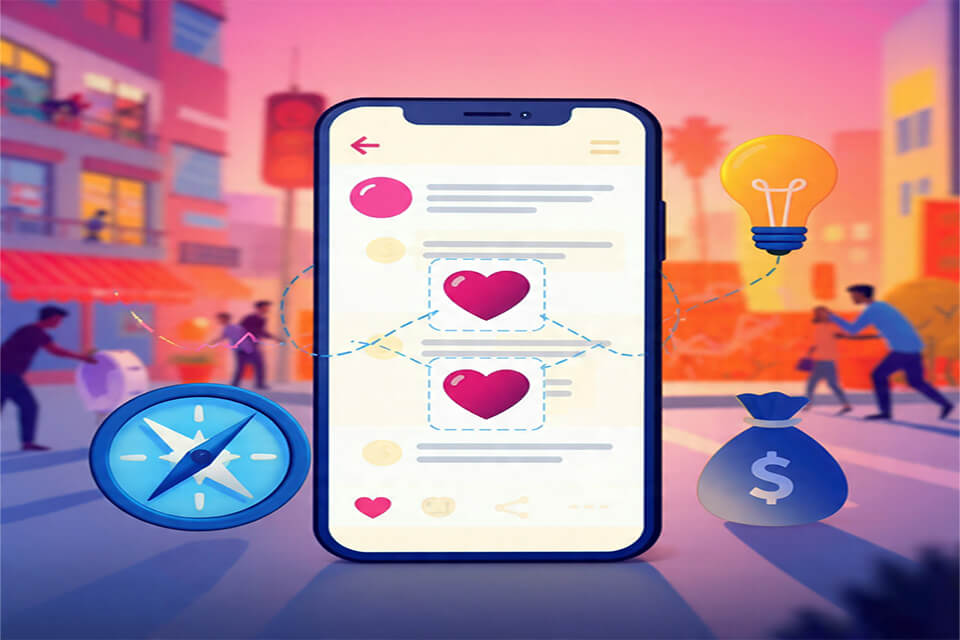
- Kindness with a thumbnail = engagement.
- Compassion with a caption = reach.
- Charity with a call-to-action = conversion.
The algorithm doesn’t care why you helped. It cares how it looks. It rewards the performance, not the principle.
🪩 Politicians, Creators, Churches: The Holy Trinity of Performative Goodness
Let’s break it down:
🏛️ Politicians
Relief ops with camera crews. Feeding programs with branded tents. “Public service,” that’s 90% optics, 10% logistics.
They don’t just serve. They stage.
📱 Content Creators
“Helping the poor” videos with mid-roll ads. “Random acts of kindness” with scripted reactions. “Social experiments” that exploit real suffering for fake virality.
They don’t just care. They capitalize.
⛪ Churches
Outreach with livestreams. Donations with QR codes. Sermons with SEO.
They don’t just preach. They package.
✝️ A Biblical Reminder (That Still Hits Hard)
“Do not let your left hand know what your right hand is doing.” — Matthew 6:3
A true servant leader keeps good deeds quiet. An epal? They’ll tell their left hand, their right hand, and their AI-driven chatbot—everybody must know it was them.
Read more at: Epal in the Age of AI
🧒 Explain Like I’m 12
Imagine someone gives you food. Then takes a selfie. Then posts it. Then earn money from the likes.
Did they help you? Yes. Did they help themselves more? Also yes.
🤖 What AI Teaches Us About This
AI doesn’t judge. It optimizes.
If kindness gets clicks, it will amplify it. If compassion converts, it will replicate it. If morality becomes monetizable, it will industrialize it.
So the question isn’t “Is this good?” It’s “Is this scalable?”
🧠 Final Thought: If You’re Going to Monetize Goodness—Do It With Dignity
We’re not saying don’t film your good deeds. We’re saying:
- Don’t exploit.
- Don’t script poverty.
- Don’t turn suffering into a storyline.
If you’re going to monetize kindness, make sure the kindness is real. Make sure the dignity stays intact. Make sure the people you help aren’t just props in your redemption arc.
Because in the age of AI, everything is content. But not everything should be.
🧨 Poverty Is Engineered—Not Inevitable
Helping the poor for views is one thing. Helping the poor for votes? That’s a system feature.
Poverty in the Philippines isn’t a random misfortune. It’s:
- Structural: rooted in inequitable access to education, technology, and land
- Cyclical: where today’s school dropouts become tomorrow’s low-wage workers
- Political: where helping the poor earns votes, but ending poverty threatens the system itself
Read more at: https://www.aiwhylive.com/politics-of-poverty-philippines-ai/

Welcome to (WordPress) aiwhylive.com. This is your first post. Edit or delete it, then start writing! Like most journey, it Read more

"AI Showdown: ChatGPT vs. Bard - Unveiling the Ultimate AI Champion!" Let AI answer which is of them is better!
Please note that clickbait titles are often designed to grab attention but may not always accurately reflect the content or Read more

What AI truly means and how it can impact industries, automation, decision-making, and problem-solving. But let's not forget about ethical Read more