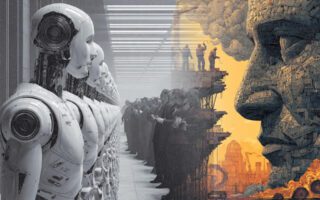
If a 61-year-old breadwinner in the U.S. fears being left behind, what more for our Tatays in the Philippines?
📰 Inspired by a U.S. Story, Echoed in Filipino Homes. In the MSN Money article, a daughter shares the heartbreak of watching her 61-year-old father—once the family’s main provider—lose his job. He’s now battling age discrimination and self-doubt, unsure if he’ll ever find meaningful work again. The piece offers practical advice: upskilling, part-time consulting, and leaning into transferable skills.
But that’s in the U.S.—a country with stronger safety nets, more flexible job markets, and wider access to digital tools. If it’s hard there, how much harder is it here?
📉 The Filipino Reality: Seniors Still Working, But Struggling
- According to the Philippine Statistics Authority, 2.5 million Filipinos aged 65 and above were still working as of June 2022—up from 2.3 million the month before. That’s 38.2% of seniors, many of whom work out of necessity, not choice.
- A University of the Philippines Population Institute study found that 46% of Filipino seniors are still economically active, with many postponing medical care due to financial constraints.
- Most are in informal jobs with no benefits, no security, and little room for growth.
And it’s not just seniors. As we explored in “Ghost Graduates”, even young degree holders are struggling to find work that matches their credentials. The job market is flooded with diplomas, but short on demand for traditional skills.
😔 The Bad News: Age and Education Are No Longer Shields
- Older workers face ageism, tech gaps, and physical limitations.
- Younger workers face oversupply, underemployment, and automation.
- Both risk being left behind in a world that now values adaptability over tenure, and digital fluency over paper credentials.
💡 The Good News: AI Can Be Their Ally
Here’s how Filipino seniors—and their families—can turn the tide:
1. AI as a Personal Tutor
Free tools like Microsoft Copilot, YouTube AI explainers, and TESDA Online can help Tatay learn at his own pace—whether it’s Excel, Canva, or basic coding.
2. Remote Work for Seniors
With AI-assisted writing, translation, and scheduling, seniors can offer part-time services as virtual assistants, online tutors, or even Taglish content reviewers.
3. Micro-Entrepreneurship with AI Help
From sari-sari store inventory tracking to Facebook ad copywriting, AI can help older Filipinos run small businesses more efficiently.
4. Family-Led Upskilling
Encourage intergenerational learning: Apo teaches Lolo how to prompt ChatGPT, while Lolo teaches Apo how to budget. It’s a win-win.
🔥 Final Thought:
Losing a job at 61 is scary. But losing hope is worse. In the Philippines, where many Tatays still carry the financial load well past retirement age, we owe them more than sympathy—we owe them tools. AI won’t erase the pain of job loss, but it can offer a path forward. With the right support, even our most seasoned workers can reboot, retool, and rediscover their worth in the age of automation.
Let’s not leave Tatay behind. Let’s bring him online.
Sources:
📰 Primary Article Inspiration
- MSN Money – “My Dad, the Main Breadwinner, Just Lost His Job at 61” Source link
📊 Employment & Senior Workforce Data
- Philippine Statistics Authority (PSA) – Report on labor force participation of older workers, as cited in GMA News: “PSA: Workers aged 65 and above increased to 38.2% in June”
- University of the Philippines Population Institute – Studies on economically active Filipino seniors and delayed retirement due to financial necessity. Relevant research archive
📚 Internal References on AIWhyLive.com
- Ghost Graduates: Future of Work & Education in the Philippines
- Microsoft AI Mandate for the Filipino Workforce
- New Collar Jobs in the Philippines
- Top Skills Filipinos Must Master in 2025
- Offline Copilot: Virtual Library for Every Filipino Student

🎓 Diplomas Without Direction: The Graduate Unemployment Crisis According to the Philippine Statistics Authority (PSA), 2.38 million Filipinos were unemployed Read more
Imagine you're at work. You're doing your tasks the way you've always done them—reliable, careful, maybe even a little overprepared. Read more
The rapid evolution of technology, driven by AI and automation, is reshaping the global workforce. In this exciting era, new-collar Read more
The world is changing faster than ever, and staying ahead means continuously learning new skills. For Filipinos, 2025 presents countless Read more