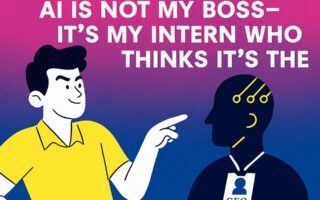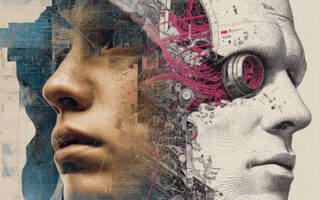
📚 Humanity’s Greatest Achievement Might Be Producing More Nonsense Faster
For thousands of years, humanity struggled to create knowledge. Books were rare. Information traveled slowly. Education was a privilege. Then came the internet. Then smartphones. Then artificial intelligence. Today, a person can access more knowledge in a minute than many ancient civilizations could accumulate in decades.
And what did we do with this miracle? We flooded the internet with slop.
🍲 What Is Slop?
“Slop” is one of the internet’s newest and most accurate words. It refers to low‑quality, low‑effort, mass‑produced content designed to attract attention rather than provide value.
Examples include:
- Fake outrage
- Recycled misinformation
- Engagement bait
- Manufactured drama
- Meaningless AI content
- Reaction videos about other reaction videos
The goal is rarely understanding. The goal is attention. And attention became money.
💸 Money for Nothing, Slop for Free
The internet accidentally discovered a strange economic model:
People create slop. Algorithms distribute slop. Humans consume slop. Platforms monetize slop.
Then everyone wonders why public discourse feels broken. The machine is working exactly as designed. The problem is what we collectively decided to feed it.
⚔️ The Digital Version of War
War is organized destruction. Online, something similar happens—not with weapons, but with attention.
Millions of people spend countless hours fighting:
- Strangers
- Headlines
- Political theater
- Manufactured controversies
The casualties are invisible but real: attention, focus, patience, critical thinking, time.
Peace exists physically. But mentally, many live inside a permanent information battlefield.
🤖 AI Is Not the Villain
AI didn’t invent stupidity. Humans were already experts.
AI simply accelerated production. The same technology can:
- Help cure diseases
- Accelerate education
- Improve accessibility
- Assist researchers
- Help small businesses
Or it can generate ten thousand pieces of nonsense before lunch. The technology is neutral. The incentives are not.
🍽️ The Algorithm Has a Favorite Food
People say: “The algorithm is broken.” Maybe it isn’t. Maybe it’s just reflecting what we reward.
Every click. Every share. Every rage comment. Every repost. The algorithm learns. Then it serves more of the same.
The internet is a giant mirror. And the reflection is making us uncomfortable.
💤 Are People Even Awake While Scrolling?
Three hours of scrolling. Hundreds of posts. Dozens of videos. Thousands of words. And yet—almost nothing remembered.
Scrolling creates the illusion of awareness. People feel informed because they consumed information. But consumption isn’t understanding.
A full stomach doesn’t guarantee nutrition. A full feed doesn’t guarantee wisdom.
🧒 Explain Like I’m 12
Imagine a town where everyone owns the world’s smartest library. Instead of reading books, most people stand outside shouting random facts, rumors, and jokes through megaphones.
The library still exists. But nobody can hear it. That’s the internet sometimes.
⚖️ The AI Paradox
Humanity built astonishing machines. Yet the greatest threat isn’t artificial stupidity—it’s natural stupidity.
Because even if we combine every AI system on Earth:
- No machine can force a human to think.
- No algorithm can compel wisdom.
- No chatbot can install curiosity.
Technology can offer better answers. Humans still choose the questions.
🚦 Where Are We Heading?
That depends on what we reward.
If society rewards outrage, outrage will grow. If society rewards noise, noise will multiply. If society rewards slop, slop will dominate.
But if society rewards curiosity, depth, learning, critical thinking, and meaningful discussion—then the same technology could produce a different future.
The machine follows incentives. Humans create them.
🏁 Final Thought
War is stupid because intelligent people use enormous resources to destroy what took years to build.
The internet sometimes feels the same. Humanity created the greatest information network in history. Then much of it became a machine for monetizing distraction.
The tragedy isn’t that AI exists. The tragedy is that humanity’s most powerful inventions keep getting assigned to its weakest impulses.
And so the question is no longer: “What now, AI?”
The question is much simpler. Much older. And much harder.
What now, stupid?
👉 Read more sharp, satirical breakdowns of the Age of AI at AIWhyLive.com—where we strip away the noise and ask the questions algorithms can’t answer.
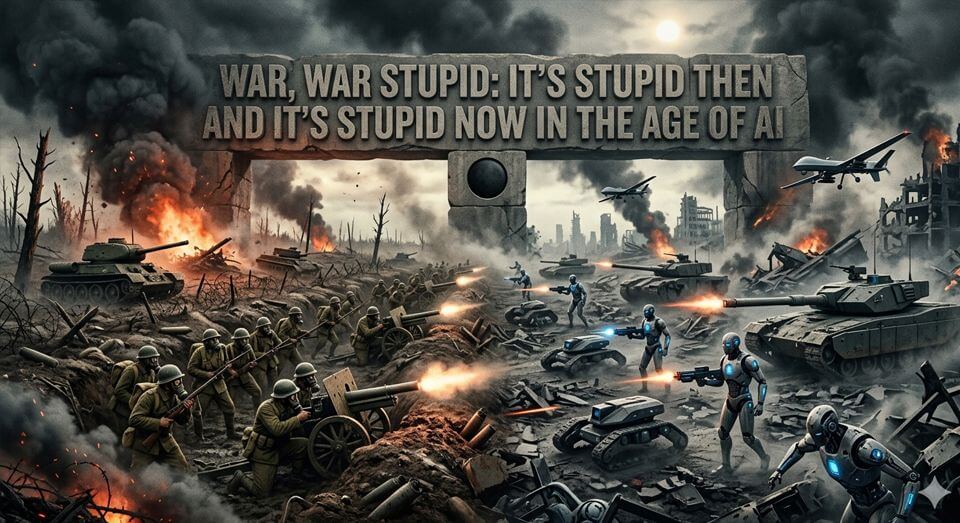
🎶 Introducing the Song Boy George once sang it plainly: “War, war stupid, and people are stupid.” It wasn’t poetry, Read more

The High-Speed Pursuit of the Wrong Goal 📖 Abstract: The Efficiency of the Error Human error has always existed. But Read more
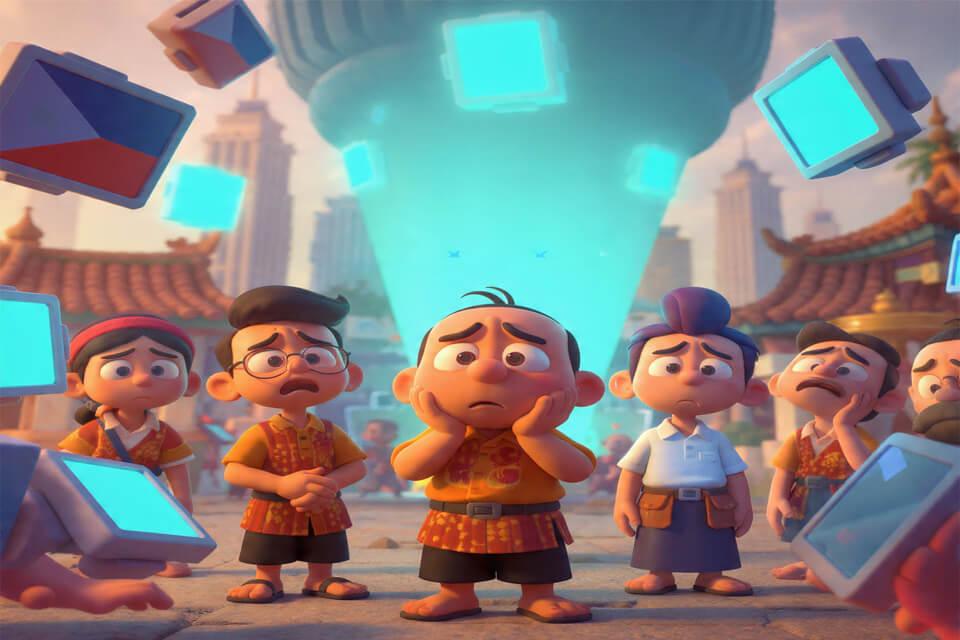
Algorithms can predict typhoons, but they can’t filter epal posts during a flood 🧠 The Great Optimization Paradox In the Read more

Once upon a time, stupidity was a punchline. Now it’s a business model. https://www.youtube.com/watch?v=BkMC14V7bB0 In the golden age of Filipino Read more