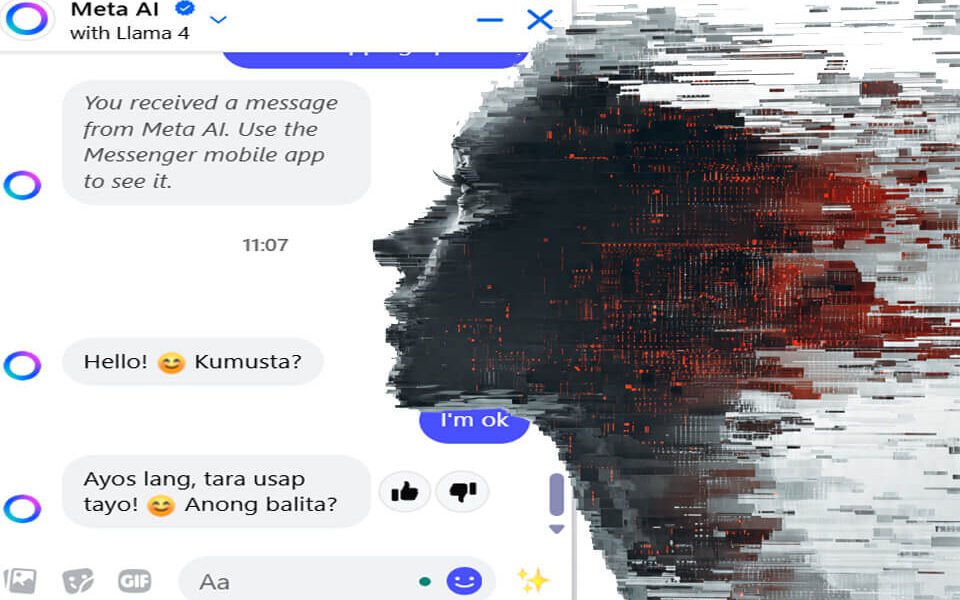
The New Loneliness in the Age of Automated Connection
📖 Abstract
We used to complain about being “seen-zoned” on Messenger or “ghosted” on text. Now, in the Age of AI, the ghosting has evolved. You might get an instant reply—crafted by an AI assistant—but no human behind it.
This is the paradox of automated connection: conversations are faster, smoother, and more polished, yet emptier. The more AI fills the gaps in communication, the more humans risk disappearing from the loop.
🕰️ 1. The Old Ghosting
- Seen-zoned: You send a message, they read it, but never reply.
- Ignored threads: The silence is heavy, the absence obvious.
- Emotional cost: Ghosting hurts because it signals disconnection, rejection, or indifference.
🤖 2. The AI Reply Era
Now platforms offer AI-generated responses. You get a reply, but it’s not from the person you wanted.
- Illusion of connection: The words arrive instantly, but the human presence is missing.
- Polished emptiness: AI replies are grammatically perfect, but emotionally hollow.
- The veneer of engagement: Faster communication, deeper loneliness.
❓ Honest Questions with Substance
Q1: Are humans being replaced—or just optional?
Answer: Humans are not fully replaced, but they are increasingly treated as optional. AI replies fill the gap when people are busy, distracted, or unwilling to engage. The danger is that platforms normalize this substitution. Instead of waiting for an authentic human response, users are conditioned to accept machine replies as “good enough.” Over time, this erodes the expectation of genuine presence. The human becomes a luxury, not the default.
Q2: How does emotionless AI fit the job?
Answer: Emotionless AI fits the job of efficiency—it delivers speed, clarity, and consistency. But it fails the job of empathy. Ghosting hurts because humans crave acknowledgment, not just information. AI can mimic politeness, but it cannot replicate sincerity. It can say “I understand,” but it does not feel understanding. In contexts where emotional resonance matters—friendship, love, grief, even casual banter—AI replies risk amplifying loneliness by offering the shell of connection without the substance.
🧩 3. The Psychological Trap
Humans crave authentic acknowledgment. AI replies create a veneer of engagement while deepening loneliness.
- Comfort tax: Faster replies, emptier meaning.
- Dependency loop: Users may prefer AI replies for convenience, but lose the richness of human unpredictability.
- Cultural shift: Authentic presence becomes rare, while automated presence becomes the norm.
🧒 Explain Like I’m 12
Imagine you text your friend, and instead of them answering, their robot helper replies. The robot says nice things, but it’s not really your friend.
It feels like talking to a ghost—you see words, but the person isn’t there. That’s digital ghosting with AI.
📢 Conclusion: Authenticity as the New Luxury
AI replies are fast, polished, and convenient. But they risk turning human conversations into ghost towns. The challenge isn’t speed—it’s authenticity.
Humans must remain central, not optional. AI should amplify human intent, not replace it. Otherwise, the future of communication will be efficient but empty—connection without presence, words without warmth.
Welcome to AIWhyLive.com, where we expose the hidden costs of comfort and demand systems that keep humans in the loop.

When OpenAI announced its vision of “expanding economic opportunity with AI,” it sounded like a global salvation story. AI, they Read more
For decades, Filipinos have carried a powerful belief: go to college, earn a diploma, and success will follow. Families sacrifice, Read more
Sam Altman’s Contradiction Explained (And How Filipinos Can Win Anyway) 🚨 The Great Career Paradox of 2024 OpenAI CEO Sam Read more

Why AI Won’t Steal Your Dream Job—If You Hack These 3 Rules 🚨 The Question Every Filipino Grad Is Afraid Read more