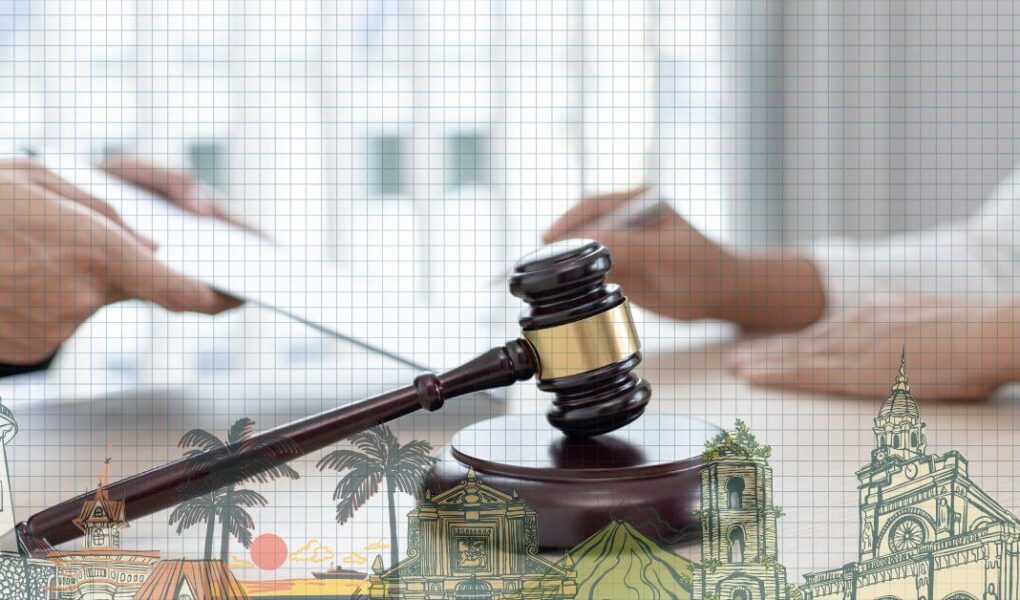
What happens when the people writing the laws start using the tools that might need regulating?
A growing number of U.S. lawmakers are now using AI tools like ChatGPT and Grok—not just for research, but for speechwriting, policy analysis, and even punchy one-liners that go viral. According to a Business Insider report, Representative Thomas Massie admitted to using Grok to generate a metaphor that later became a hit on social media. Democratic Rep. Ro Khanna uses ChatGPT “like an editor,” while Senator Ron Johnson consults Grok for budget analysis and sourcing documents.
This isn’t just a quirky tech trend—it’s a signal that AI is becoming embedded in the very institutions tasked with governing it.
🧠 Spotting the AI in Political Messaging
As explored in Spot AI Writing Guide, AI-generated content often follows a predictable rhythm:
- Repetitive transitions like “Furthermore,” “In today’s world,” or “It is important to note…”
- Overly balanced tone that avoids strong emotion or contradiction
- Lack of personal anecdotes or lived experience
When politicians start using AI to craft speeches, these patterns can show up in their public statements, making them sound polished but oddly generic. The guide warns that when political language becomes too smooth, it risks losing authenticity. And in a democracy, that’s a problem.
🔍 Why This Matters
- AI is shaping political messaging. If a viral quote came from a chatbot, who’s really speaking? And who’s responsible for the message?
- Policy is being informed by AI tools. Lawmakers using AI to analyze legislation may unknowingly rely on biased or incomplete data, especially if the model wasn’t trained on diverse or updated sources.
- Regulators are becoming users. The same people debating AI regulation are now AI users themselves. This could lead to more informed policy, or more blurred lines between human judgment and machine suggestion.
🇵🇭 Why It Matters to Filipinos
If U.S. lawmakers are using AI to write speeches and analyze bills, it’s only a matter of time before similar practices reach Philippine government offices, classrooms, and boardrooms.
- For students: If your teacher uses AI to write lesson plans, should you be allowed to use it for essays?
- For professionals: If your boss uses AI to write reports, should you be expected to do the same?
- For voters: If your local politician’s speech was written by a chatbot, does it still reflect their values—or just a well-prompted script?
🧭 Final Thought: When the Prompt Becomes Policy
The line between human intention and machine suggestion is blurring. As lawmakers turn to AI for help, we must ask: Who’s really shaping the message? And more importantly, who’s accountable for it?
In a world where even Congress is prompting for punchlines, the Filipino public must stay alert—not just to what’s being said, but to how it’s being generated. Because when political language starts sounding like a chatbot, it’s time to ask: Are we still hearing the voice of the people, or just the echo of a prompt?
Ever read something online and thought, "This sounds like it was written by a robot"? Well, you might be right. Read more
Artificial Intelligence (AI) is reshaping industries worldwide, and Filipinos have a unique opportunity to thrive in this field, even without Read more
AI and Philippine Politics: Part 3 > “Blessed are ye poor: for yours is the kingdom of God.” > — Read more
AI and Philippine Politics: Part 2 I Asked Copilot to Find the One That Got Away: Who Could Have Been Read more