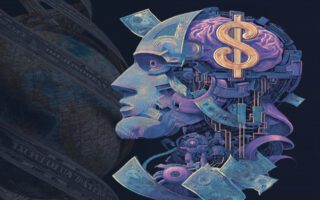
From AI-generated avatars delivering political speeches to hyper-real filters that erase every wrinkle, the digital world has become a hall of mirrors. What once felt like a harmless enhancement—smoothing a selfie, tweaking a background—has evolved into something far more complex: a reality where truth is negotiable, and authenticity is optional.
So the question stands: Can we still trust what we see online?
🤖 Deepfakes: The Rise of Synthetic Reality
Deepfakes are AI-generated videos, images, or audio that mimic real people with startling accuracy. Powered by deep learning and generative adversarial networks (GANs), they can swap faces, clone voices, and fabricate entire scenes that never happened.
Originally developed for entertainment and accessibility, deepfakes have since been weaponized for misinformation, harassment, and fraud. In the Philippines, where social media is a primary news source, this poses a serious threat, especially during election cycles, when manipulated videos can sway public opinion before fact-checkers catch up.
But the danger doesn’t stop at politics. As explored in Deepfake Is at It Again: How AI Scammers Hijack the Hiring Process, scammers now use deepfakes to impersonate job applicants in video interviews, fooling even seasoned recruiters. Entire résumés, portfolios, and identities can be fabricated with alarming ease.
💄 Filters That Blur the Line
It’s not just deepfakes. Every day filters—once used for fun—now create hyper-real versions of ourselves that are nearly indistinguishable from reality. AI-enhanced beauty apps can reshape facial features, change skin tone, and even simulate makeup with uncanny precision.
The result? A generation raised on filtered faces, struggling with self-image and authenticity. In online dating, job interviews, and influencer culture, the pressure to present a “perfect” version of yourself is no longer aspirational—it’s algorithmic.
🇵🇭 Why This Hits Close to Home
Filipinos are among the most active social media users in the world. We rely on platforms like Facebook, TikTok, and YouTube not just for entertainment, but for news, education, and connection. That makes us especially vulnerable to visual manipulation.
- In politics, deepfakes can be used to discredit candidates or fabricate endorsements.
- In romance, AI-generated profiles can catfish unsuspecting users with fake photos and voices.
- In commerce, product reviews and influencer content can be entirely synthetic—designed to sell, not inform.
- In job hunting, as discussed in Ghost Job Alert: Filipino Job Hunting Tips in the AI Era, fake listings and AI-generated recruiters are now part of the digital landscape, making it harder to tell real opportunities from scams.
And it’s not just isolated incidents. As detailed in The AI Scam Playbook 2025, scammers are now using AI to create entire ecosystems of deception—from fake investment platforms to deepfake religious leaders asking for donations.
🧠 How to Spot the Fakes Before They Spot You
- Look for the blink: Deepfake videos often struggle with natural blinking or inconsistent eye movement.
- Check the lighting: Shadows and reflections may not align with the environment.
- Use reverse image search: Tools like Google Lens can help verify if a photo appears elsewhere.
- Listen closely: AI-generated voices may sound flat, overly smooth, or lack emotional nuance.
- Trust your gut—but verify: If something feels off, it probably is. Cross-check with reputable sources.
🔍 Final Thought
In a world where AI can fabricate faces, voices, and entire realities, truth is no longer a given—it’s a skill. And like any skill, it requires awareness, practice, and a healthy dose of skepticism.
The solution isn’t to fear technology—it’s to understand it. To teach digital literacy alongside media literacy. To question what we see, even when it looks perfect. Especially when it looks perfect.
Because in the age of filtered truth, the most radical thing you can be… is real.

Welcome to (WordPress) aiwhylive.com. This is your first post. Edit or delete it, then start writing! Like most journey, it Read more
"AI Showdown: ChatGPT vs. Bard - Unveiling the Ultimate AI Champion!" Let AI answer which is of them is better!
Please note that clickbait titles are often designed to grab attention but may not always accurately reflect the content or Read more

What AI truly means and how it can impact industries, automation, decision-making, and problem-solving. But let's not forget about ethical Read more