
In a digital landscape sculpted by AI-powered recommendation engines, low-effort pranks and sensational “gotcha” clips routinely outpace thoughtful analysis and in-depth reporting. A fake-spider prank on TikTok Philippines snagged 8 million views in 24 hours—while a meticulously documented exposé on coastal erosion by local scientists barely cracked 50 000. This isn’t an accident; it’s the result of AI algorithms, platform incentives, and monetization schemes that reward stupidity at the expense of substance.
1. Algorithms Favor Low-Effort Hits
AI recommendation engines optimize for one key metric: engagement. Short, sensational videos trigger rapid taps, swipes, and shares. The more instant the reaction—gasps, laughs, anger—the longer the algorithm keeps feeding similar content. In this race for eyeballs, a fifteen-second prank easily outpaces a ten-minute deep dive into environmental policy.
2. Dopamine Over Depth

Pranks and clickbait deliver an immediate emotional jolt—an addictive dopamine hit that feels good in the moment but leaves us craving more stimulation. Deep thinking, by contrast, requires patience, reflection, and often a willingness to sit with discomfort. AI-driven feeds are engineered to keep us hooked on easy thrills, wiring our brains for reflexive consumption rather than sustained curiosity.
3. Engagement Metrics vs Impact Metrics
Platforms measure success through likes, shares, comments, and watch time. They don’t track long-term understanding, attitude shifts, or real-world problem solving. A prank video’s 90 percent completion rate looks great; a nuanced documentary on rice irrigation, however, struggles to achieve double digits in an attention economy that prizes brevity over breadth.
4. Monetizing Stupidity
As views skyrocket, so do advertising dollars. Brands desperate to capture Gen Z’s attention are sponsoring prank channels and “idiot influencer” collectives—often paying thousands per shout-out. A viral stunt can net an average of $10 000 to $50 000 in brand deals within days. Meanwhile, educational creators scrape by on micro-patreon pledges and low-rate ad rev shares, because their audiences are smaller, even if more engaged.
5. The Rise of AI-Sponsored Idiots
AI can now write scripts for pranks, optimize thumbnail images, and even auto-edit punchlines for maximum shock value. This “Idiocy as a Service” industry churns out viral content at scale. Some channels boast networked bots that generate ten prank ideas per hour, then A/B-test them in real time. The result: an endless conveyor belt of shallow stunts, each more absurd than the last, drowning out creators who demand thoughtful attention.
6. Filipino Diskarte vs Digital Drama
In the Philippines—often called the “social media capital of the world”—prank channels reign supreme. Yet our tradition of diskarte (resourceful problem-solving) and bayanihan (communal support) offers an antidote. Imagine local influencers collaborating with climate scientists to create engaging explainer skits, or barangay youth groups producing multimedia storytelling that blends AI tools with community wisdom. We can repurpose the same viral mechanics to reward depth over drama.
7. The Cost of Critical Thinking
When algorithms reward stupidity, our capacity for analysis, debate, and reasoned judgment atrophies. We grow mentally poor—rich in fragments but bankrupt in reflection. Shallow content conditions us to accept easy answers, amplifies tribal biases, and erodes our ability to engage with complexity. The age of AI-driven feeds risks turning us into passive consumers of distraction rather than active seekers of insight.
8. Rewarding Deep Thinking: A Countermeasure
- Like, Share, Comment Wisely: Engage actively with in-depth content. Every reaction signals the algorithm to surface more substance.
- Support Quality Creators Subscribe, tip, or pledge to educational channels and independent journalists—so they can thrive alongside prank-makers.
- Prompt AI for Reflection: Ask your AI assistant, “What are the drawbacks of this prank culture?” or “How could we turn this meme format into a civic education tool?”
- Host Community “Knowledge Jams”: Turn group chats into Socratic forums where AI-generated summaries kick off real-world debates.
- Schedule Digital Sabbaths: Set aside “stupidity-free” hours: no clickbait, pranks, or meme feeds—only books, essays, and long-form podcasts.
9. Effect of Stupidity on Elected Leaders
When algorithmic rewards skew toward sensationalism, the impact ripples all the way to the ballot box:
- Superficial Candidates Thrive: Viral stunts and meme-ready sound bites elevate charismatic showmen over experienced policymakers. Electorates remember a prank-style rally moment more than a candidate’s detailed platform.
- Policy Debates Lose Air Time: Long-form discussions on healthcare, education, or climate resilience are drowned out by sharable one-liners. As a result, voters lack the nuance needed to hold leaders accountable on complex issues.
- Echo Chambers Shape Perceptions: Algorithms feed users content that reinforces existing biases. Communities become insulated, amplifying tribal loyalties and making cross-cutting dialogue—essential for democracy—more difficult.
- Incentivizing Pandering Over Principle: Politicians chase likes and retweets, crafting messages optimized for engagement rather than substance. Campaigns invest in AI-generated ads tuned to emotional triggers instead of presenting balanced policy proposals.
- Diminished Voter Agency: When feeds reward “stupid” content, citizens default to reflexive reactions. Voter decisions hinge on algorithmic noise rather than informed judgment, undermining the very foundation of representative governance.
🐾 Final Thought
Algorithms are blind to value; they chase clicks, not wisdom. But we’re not powerless. By consciously rewarding deep thinking—through our clicks, subscriptions, and community initiatives—we can reshape the AI economy.
Beyond flipping the script on content, let’s harness AI’s brighter side for civic good: use it to analyze policy proposals, fact-check platforms, and spotlight candidates with vision and integrity. In the age of AI, we can elect the right leader—not just the most popular content creators —and make substance go viral. Let’s think deeper!
📚 Sources
- Barrazacarlos, “Artificial Intelligence vs Natural Stupidity: A Modern Paradox,” June 27, 2025.
- Daniel, Lars. “New Study Says AI Is Making Us Stupid—But Does It Have To?” Forbes, Jan 19, 2025.
- Futurism, “Experts Concerned That AI Is Making Us Stupider,” May 2025.
- Jones, Steve. “Deep stupidity—or why stupid is more likely to destroy the world than smart AI,” Capgemini USA, June 7, 2023.
- Willingham, Daniel. “Critical Thinking in the Age of AI,” MIT Horizon, Mar 19, 2024.
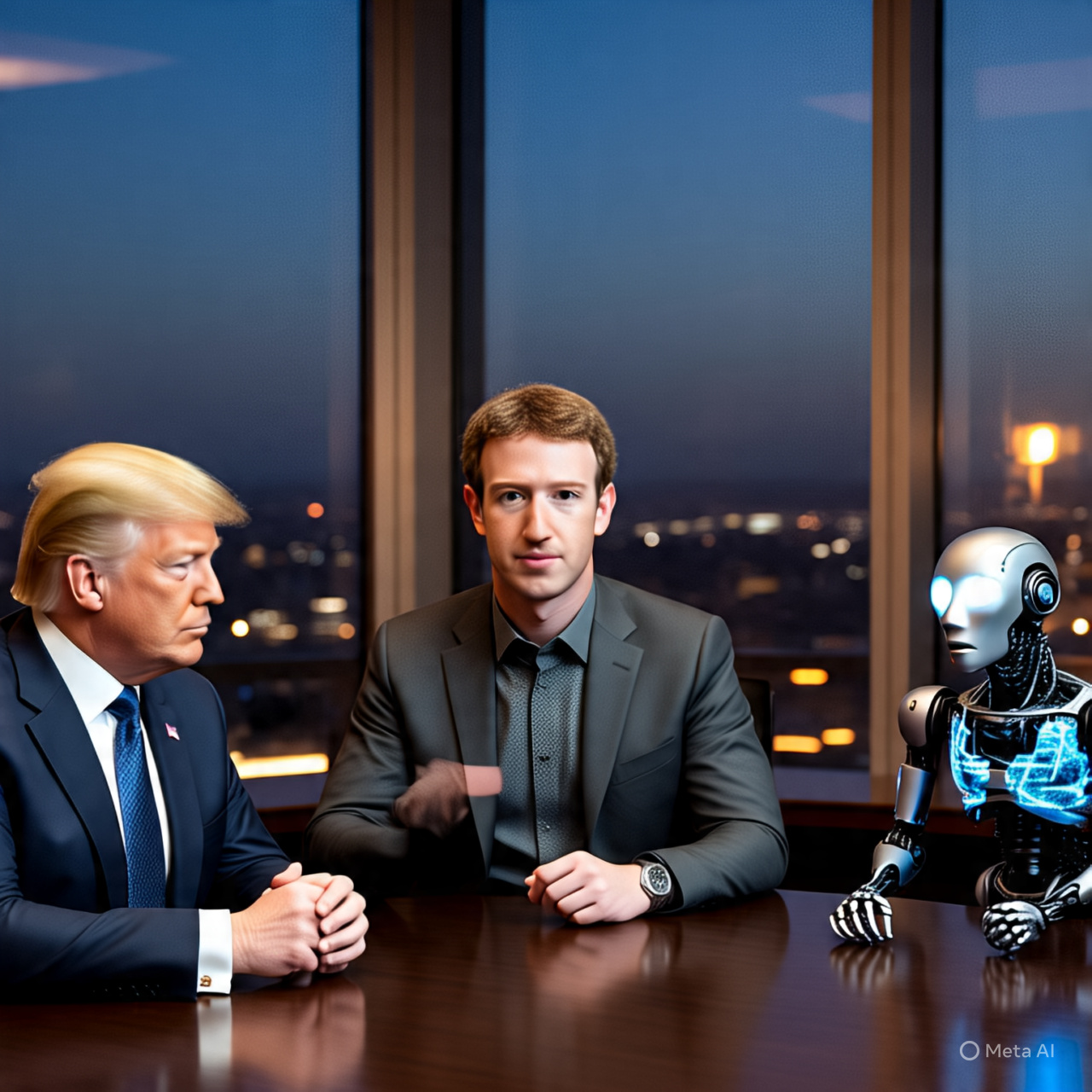
🔍 Summary of the Article The MSN opinion piece titled “Art of the Steal: Trump’s Big Tech Feud Could Cost Read more
AI and Philippine Politics: Part 3 > “Blessed are ye poor: for yours is the kingdom of God.” > — Read more
Find out how AI is revolutionizing politics and governance in the Philippines. From personalized messaging to automated processes, AI is Read more