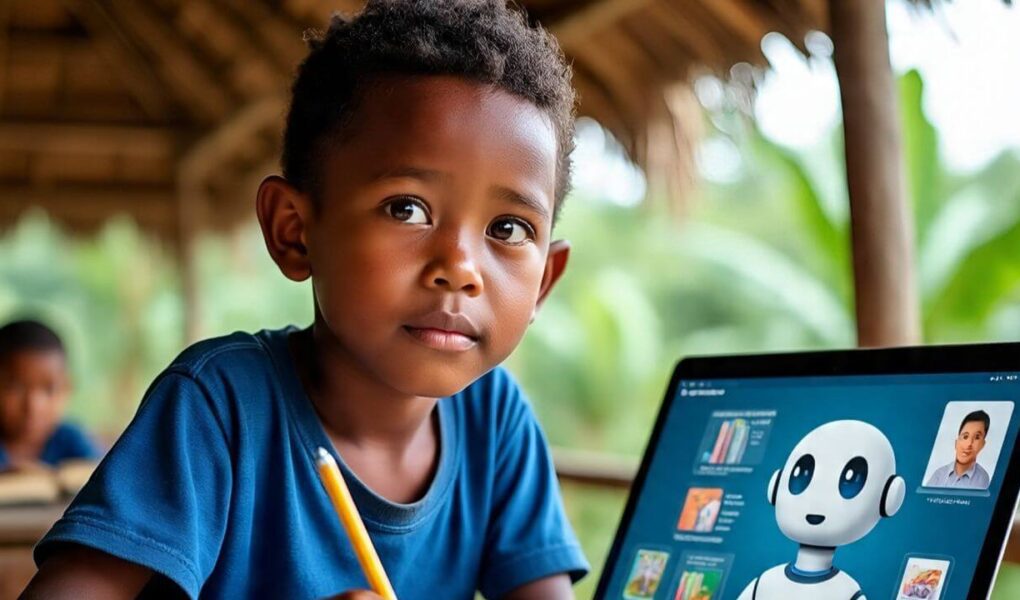
It’s 2025, and in countless Philippine barangays, unreliable power and empty school shelves still stand between eager learners and the world of knowledge. Meanwhile, urban students casually ask cloud-connected Copilot to explain calculus or analyze Rizal’s novels. Imagine if that same AI tutor could live on every student’s mobile phone—ready to teach, quiz, and inspire, offline.
This vision—an offline Copilot acting as a virtual library in every pocket—could be the game-changer Philippine education desperately needs.
🔌 Power Gaps, Empty Shelves, and Teacher Shortages
• Patchy Electricity Over 3 million households still experience regular blackouts. A cloud-only solution simply won’t work.
• Limited Learning Materials. Many public schools have just a handful of textbooks for dozens of pupils.
• Overloaded Teachers. With class sizes of 40 or more, individualized support is nearly impossible.
Offline Copilot could become the “second teacher,” offering 24/7 explanations, quizzes, and reading support—no internet required.
🛠️ The Technical Roadmap to Offline AI
- On-Device Mini-Models Through model distillation and quantization, Microsoft’s massive language engines can be shrunk into compact versions (~100M parameters) that run on basic Android NPUs.
- Periodic Knowledge Syncs Whenever devices reach community Wi-Fi hotspots, they download curriculum updates, local texts, and improvements, keeping the AI fresh.
- Hybrid Cloud Handoff. For advanced tasks like essay feedback or complex problem solving, the app queues requests for cloud processing once online, while still offering instant offline draft responses.
🚀 Licendi’s Hybrid Copilot Solutions for Philippine Classrooms
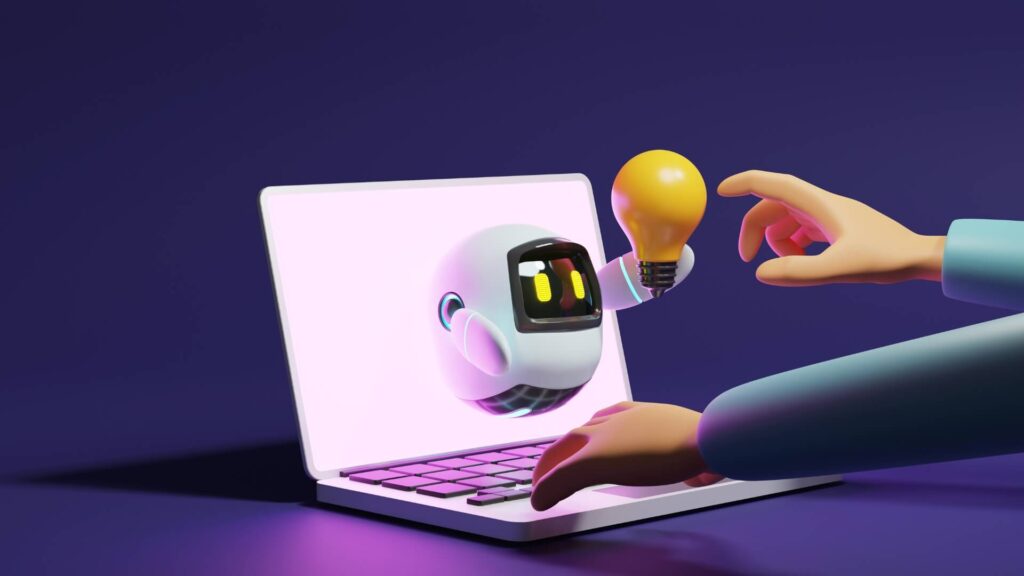
Licendi’s roadmap for “Copilot without the cloud” shows practical steps schools and barangays can take today¹:
- Custom “Mini-Copilots” via Copilot Studio
- Teachers craft Grade-level assistants preloaded with Filipino literature, math drills, and mother-tongue modules.
- Delivered on a mini-server or USB-dongle, students access summaries and quizzes entirely offline.
- On-Premises AI Server
- Instead of relying on Azure, schools host a local Copilot node. Pupils tap into definitions, concept explainers, and science diagrams over free local Wi-Fi.
- Scheduled “Learning Sync”
- Once a week at barangay halls or internet cafés, devices automatically update lessons, practice sets, and voice-over tutorials—then run autonomously offline.
- Lean App Footprint
- Future model distillation aims for a 50 MB on-device package capable of grammar checks, basic math hints, and Tagalog–Bisaya translations—perfect for low-end handsets.
🌱 What Students Can Do—Offline
- Summaries & Explanations: “Explain photosynthesis in Tagalog.”
- Translations & Definitions: English–Bisaya word lookup on the fly.
- Self-Quizzing: Multiple-choice, fill-in-the-blank, and reading comprehension drills.
- Writing Prompts: Tailored story starters with built-in grammar feedback.
✨ A Promising Future for Philippine Education
Offline Copilot isn’t just a tech novelty—it’s an equity engine. By pairing on-device AI, mini-servers, and periodic syncs, every Filipino child—from Samar to Sulu—can carry a world-class library and tutor in their pocket, rain or shine.
This requires collaboration:
- DepEd integrates AI literacy into teacher training.
- Tech Partners (like Microsoft and Licendi) refine hybrid Copilot packages.
- NGOs and LGUs distribute solar chargers and devices to underserved areas.
🔔 Stay Tuned
This is just the beginning. Keep following AIWhyLive.com for in-depth roadmaps, pilot success stories, and step-by-step guides on making AI a force for positive change in Philippine education. Your virtual library awaits—no internet connection needed.
¹ Source: “Using Microsoft Copilot Without the Cloud,” Licendi (April 2025)
A recent Yahoo! Finance report spotlighted a controversy in U.S. higher education—a college student demanded a tuition refund after discovering Read more

In our everyday Filipino communities, common scenes include dogs barking relentlessly in the night, pets leaving their mess on public Read more
The Illusion of Equality In the Philippines, the concept of equality often feels like a distant dream, especially when it Read more

🎓 Diplomas Without Direction: The Graduate Unemployment Crisis According to the Philippine Statistics Authority (PSA), 2.38 million Filipinos were unemployed Read more