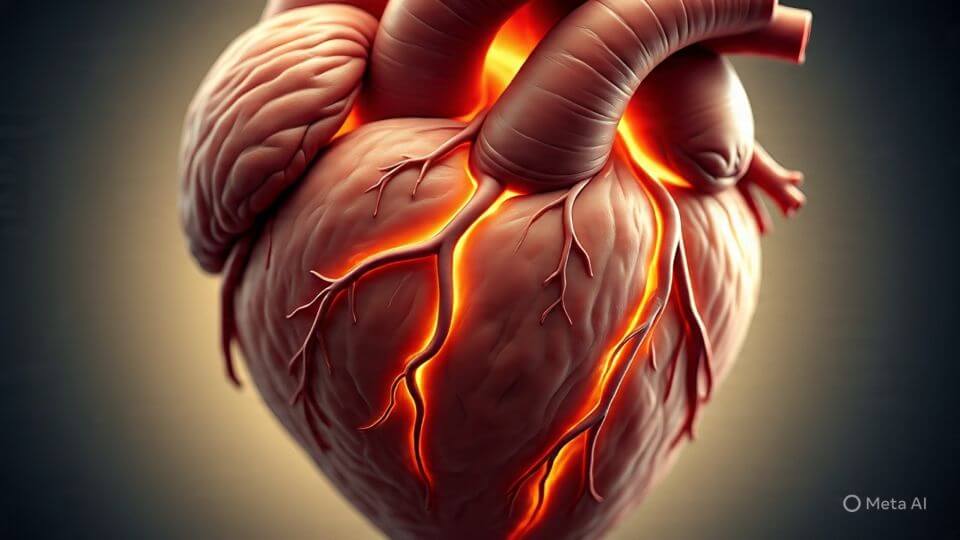
The MSN article highlights a groundbreaking study where researchers developed an AI model capable of predicting which patients are most at risk of sudden cardiac arrest (SCA)—a condition that often strikes without warning and leads to death within minutes if untreated.
The AI analyzed electrocardiograms (ECGs) and patient data to detect subtle patterns invisible to human doctors. These patterns helped the model identify high-risk individuals days or even weeks before an event occurred. The goal? To intervene early—through medication, lifestyle changes, or implantable devices—and prevent tragedy before it strikes.
This is a major leap from traditional diagnostics, which often miss early warning signs of SCA, especially in patients with no prior symptoms.
❤️ Why This Matters in the Philippines
In the Philippines, cardiovascular disease is the leading cause of death, accounting for nearly 20% of all deaths according to the Department of Health and the Philippine Heart Association. Of these, sudden cardiac arrest is responsible for about half of all heart-related deaths.
- A 2016 report by the Philippine Statistics Authority recorded 74,134 deaths due to heart disease—12.7% of all deaths that year.
- The Philippine Heart Association notes that most SCA cases occur at home, and only 4–6% survive, largely because bystanders don’t know CPR.
- Worse, rural areas lack access to cardiologists or ECG machines, making early detection nearly impossible.
💡 What If AI Could Help Barangay Health Workers?
Imagine this: a barangay health worker visits a patient with high blood pressure. She uses a portable ECG device connected to an AI app. The AI flags a high risk of SCA—not in a panic-inducing way, but as a quiet warning. The patient is referred for further testing, gets preventive care, and lives.
This isn’t science fiction. It’s a future within reach—if we invest in:
- Mobile ECG + AI kits for rural clinics
- Training programs for barangay health workers
- Integration with PhilHealth and DOH systems
- Public CPR education to boost survival rates
🔥 Final Thought
Sudden cardiac arrest is a silent killer, but AI might just be the whisper that saves a life. In a country where heart disease claims thousands each year, predictive tools like this could be the difference between tragedy and second chances. Let’s not wait for the future to arrive. Let’s build it—one heartbeat at a time.
📚 Sources
- MSN Health – “AI Predicts Patients Likely to Die of Sudden Cardiac Arrest”
- Philippine News Agency – CPR, a Life-Saving Know-How
- Philippine Heart Association – Sudden Cardiac Arrest and the Value of CPR
- Inquirer – Thousands Die of Cardiac Arrest Because Witnesses Do Not Know CPR

Why loneliness and burnout demand empathetic Taglish bots—and how AI can flip the script on Manila-centric care Isolation isn’t just Read more
Reimagining frontline care in the Philippines through offline, accessible intelligence Across countless Philippine communities, barangay health workers serve as the Read more
For the glass-half-empty crowd: buckle up. We’re about to ride the roller coaster of every AI fear you’ve ever had—then Read more

AI and Philippine Politics: Part 3 > “Blessed are ye poor: for yours is the kingdom of God.” > — Read more