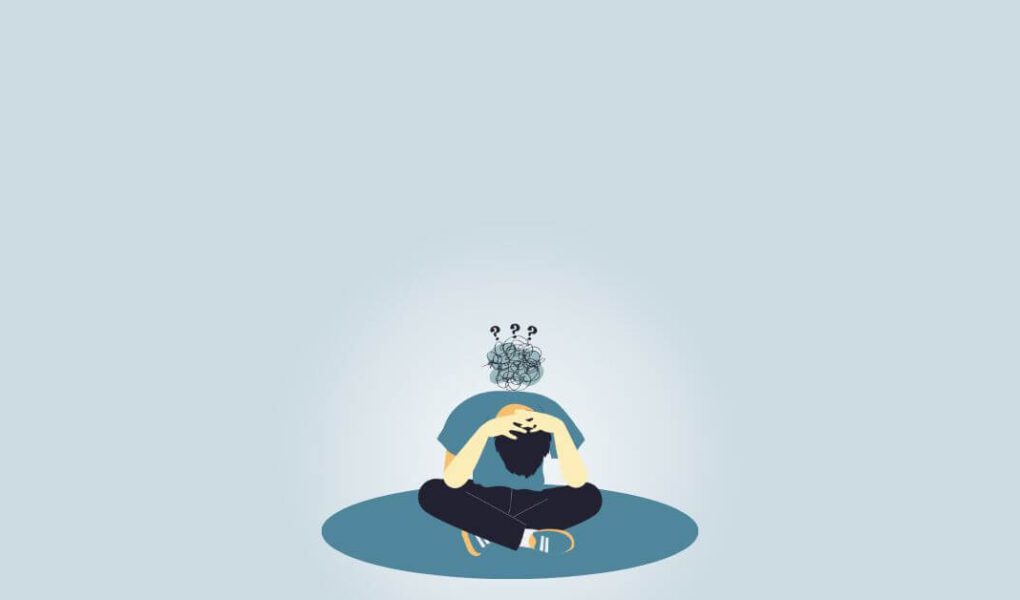
In 2025, the digital grind never sleeps—and for many of us, neither do we. Every day brings a new AI tool promising faster output, smarter suggestions, fewer clicks. So we sprint. We optimize. We multitask like it’s a badge of honor. But while the bots hum along at superhuman speed, we forget the one thing they don’t need: rest.
Welcome to the new frontier of hustle culture—where the stress isn’t about falling behind each other, but falling behind the machines.
🤖 Productivity on Steroids, Humanity on Empty
AI tools were supposed to help us. And in many ways, they do. From AI writing assistants to virtual schedulers, they reduce the grunt work and give us back precious hours. But instead of reclaiming those hours to rest, many of us use them to cram in more tasks.
Why stop at one blog post when ChatGPT can help you write five? Why slow down when everyone else is prompting Midjourney, summarizing meetings with Otter.ai, editing with Firefly, and building entire apps with Famous.ai—in a single afternoon?
The problem isn’t the tools. It’s our inability to set boundaries in a culture obsessed with output.
😵💫 Signs You Might Be Burning Out in the Age of AI
- You feel guilty for not using enough AI tools, like you’re missing out on some mythical productivity goldmine.
- You bounce between apps and prompts, only to realize you’ve spent the whole day “optimizing” with very little actual work done.
- You no longer feel the win of doing something manually, even when you want to.
- You’re exhausted—but afraid to slow down because everyone else seems to be automating more, faster.
Sound familiar?
🇵🇭 Why It Hits Filipinos Especially Hard
Filipino workers are some of the most adaptive, resilient, and resourceful people in the digital world. We’re raising families while managing remote jobs, side hustles, and online gigs—all from noisy homes or patchy Wi-Fi. So when tools promise speed, we jump in.
But the push to keep up with global expectations—now compounded by AI acceleration—can take a unique toll:
- Increased mental fatigue from juggling tech stacks without enough support or training
- Invisible labor pressure to “produce more” without matching compensation
- Digital burnout from being “always on,” especially in BPO, freelance, or startup culture
We weren’t meant to live like this. The bayanihan spirit isn’t about solo sprints—it’s about shared load. And right now, too many of us are carrying AI expectations on our own shoulders.
🧘 The Antidote? Maybe… Do Less.
It might sound counterintuitive, but the most radical act in this hyper-optimized era might be to slow down. To close the app. To not reply to that message immediately. To breathe before prompting.
Here’s your permission slip:
🧭 Saying “no” to tools you don’t need isn’t inefficiency. It’s clarity. Not every trending AI tool belongs in your workflow. Choosing fewer tools that truly align with your purpose isn’t falling behind—it’s focus. Every “no” frees up mental bandwidth to go deeper on the tools that actually serve you.
🎯 Doing one thing well is still more powerful than doing ten things mid-AI. It’s tempting to multiply your output with AI—five blogs, three reels, two newsletters in one sitting. But if none of them resonate, what’s the point? Precision still trumps quantity. Mastery leaves a legacy; mediocrity drowns in the scroll.
2025 will be my farewell tour for some—if not most—of my old projects. It hurts to let go, but making space for AIWhyLive.com means honoring the next chapter. Some things must end so better ones can begin.
Why LIVE
I am not just closing doors. I am curating space for something that matters.
🔥 AI was meant to help us live better, not burn brighter before burning out. Let the bots handle the busywork. Your job is to stay human, curious, rested,and inspired. If your to-do list keeps growing but your joy keeps shrinking, maybe the goal isn’t to do more, but to feel more. Use AI to expand your life, not extinguish your light.
AI was meant to help us live better, not burn brighter before burning out.
👊 Final Thought
In an age where AI can draft your emails, build your portfolio site, and optimize your schedule in 30 seconds flat, the real flex might be resisting the urge to compete.
As we wrote in AI Economic Divide in the Philippines: > “It sucks to be poor, and we better thrive together.”
That doesn’t mean working harder. It might just mean doing less, together, more intentionally. Let the bots be fast. You? Be human. That’s still the most advanced setting.
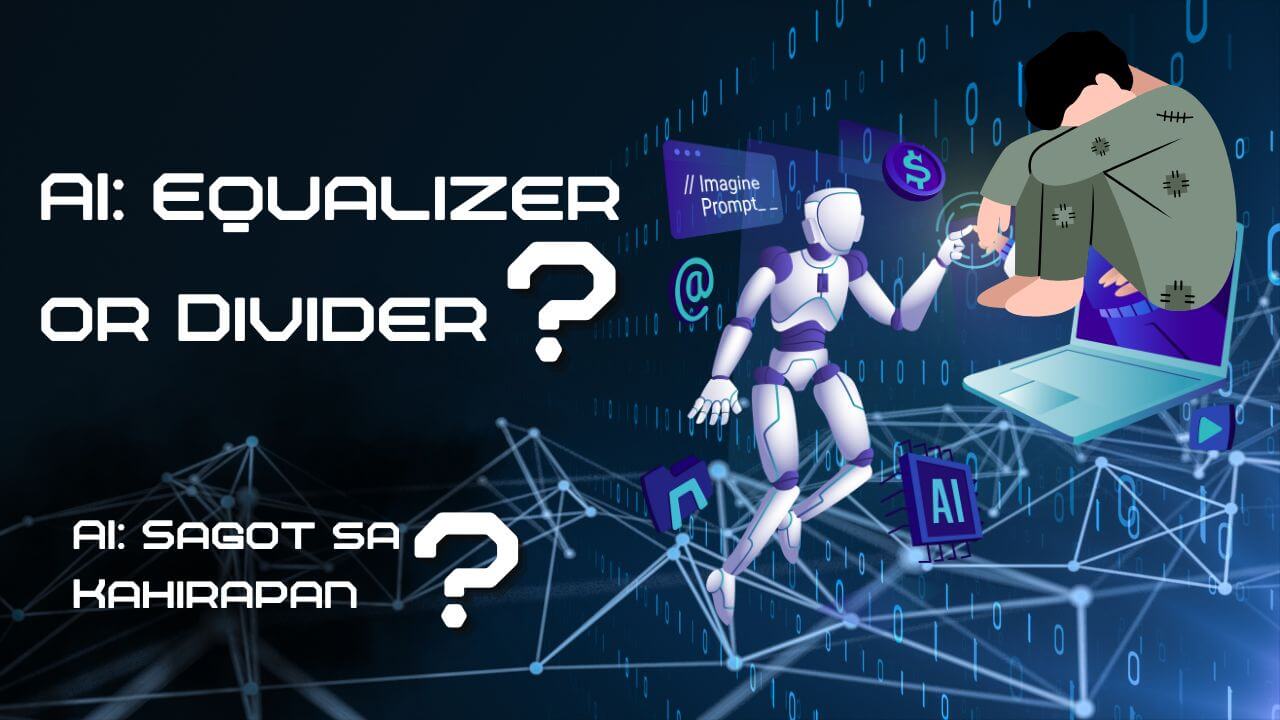
For decades, the Philippines has been trapped in a predictable cycle where the poor become poorer as their numbers grow, Read more

In the relentless pace of our digital world, technology often steals the spotlight. Yet, as MSN’s recent article “Human connections Read more
This isn’t a horror story. But it might just explain why you’re stuck refreshing your inbox, waiting for a callback Read more
Filipinos have long embraced a mix of science and superstition. From avoiding baths on Fridays to believing in spirits that Read more